AI Agent Identity Management: Strategies for Discovery and Implementation

TL;DR
- This article covers how to discover and implement effective identity management strategies for ai agents. It includes assessing your current infrastructure, choosing the right identity solutions (like DIDs and verifiable credentials), and detailing implementation steps. You'll also find best practices for security, governance, and continuous monitoring, ensuring your ai agents are secure and compliant.
Understanding the Need for AI Agent Identity Management
Okay, let's dive into why ai Agent Identity Management is becoming, like, the thing to focus on.
You know, it's funny, we used to worry about just humans logging in where they shouldn't. Now? We got ai agents doing who-knows-what, and honestly, it's kinda wild.
- Think about it: ai agents are popping up everywhere—automating customer service, handling financial transactions, even making diagnoses in hospitals. It's kinda cool, but also kinda scary, right?
- Agentic ai is becoming a competitive must-have. McKinsey said it's a "moment of strategic divergence" where early adopters will totally reshape the game. (Why #genAI deployment has minimal impact) Best Practices for AI Agent Implementations: Enterprise Guide 2026
- Gartner, those guys who are always right about tech, they're predicting that by 2028, 33% of enterprise software will have agentic ai. (Intelligent Agents in AI Really Can Work Alone. Here's How. - Gartner) That's up from like, nothing a few years ago. Best Practices for AI Agent Implementations: Enterprise Guide 2026
Traditional Identity and Access Management (iam) systems? They weren't built for this. They're like trying to use a horse-drawn carriage on the autobahn.
ai agents are autonomous, adapting to situations and crossing organizational lines to get stuff done. Sounds a little rogue, doesn't it?
You need verifiable identities to make sure you can trust these agents. Without it, it's like letting a stranger into your house and hoping they don't steal anything. Or worse.
It's all about stopping bad actors. Think compromised accounts, rogue agents doing things they shouldn't, the works.
Compliance is key. Data protection laws and industry rules are getting stricter, and you gotta keep up.
Accountability is huge. You need to know who did what, especially when things go sideways.
Here's a little diagram to illustrate the problem:

This diagram shows a traditional IAM system with a single point of control trying to manage a growing number of diverse AI agents. The agents are depicted as having complex, dynamic behaviors and needing to interact across different systems, highlighting how a centralized, static IAM approach struggles to keep pace with their autonomy and distributed nature.
See how that traditional iam just can't keep up?
Discovering AI Agents in Your Organization
Alright, so you're probably wondering how to even find these ai agents lurking in your organization, right? It's not like they're wearing name tags (though, wouldn't that be nice?).
First thing's first: you gotta go on a hunt. Think of it as an archeological dig, but for digital stuff. You want to identify all ai agents that are currently operating within your enterprise. And I mean all of them, even the ones hiding in the shadows of some obscure department.
- Create AI Agent Profiles: For each agent you find, create a profile. This profile should document its functionalities, the permissions it has, and what data it can access. For example, an agent profile might look like this:
- Agent Name: InventoryBot
- Functionality: Automates stock level checks and reorder suggestions.
- Permissions: Read access to inventory database, write access to order fulfillment system.
- Data Access: Product SKUs, current stock levels, supplier contact info.
- Owner/Team: Warehouse Operations
- Risk Level: Medium
- Assess Risk: Next, you gotta assess the risk. What's the worst that could happen if this agent went rogue? Figure out the risk posture of each agent based on its role and access levels. It's like asking, "If this thing went sideways, how many buildings would it take down with it?"
- Identify Shadow IT: Don't forget about those sneaky shadow IT deployments. You know, the ones where a department just kinda... forgets to tell it about their new ai toy.

Now that you've identified your agents, let's figure out how to integrate them with your existing IAM.
- Integrate Identified Agents: Map the functionalities and data access needs of your discovered AI agents to your current IAM system. Determine how each agent will authenticate and what specific roles and permissions it will require.
- Evaluate IAM Compatibility: Next, take a good, hard look at your existing Identity and Access Management (iam) setup. Is it even ready for this ai agent party? Probably not, but let's check anyway. Evaluate your current iam systems for compatibility with ai agents. Can they handle the unique authentication and authorization needs of these autonomous entities?
- Identify Gaps: Identify any gaps in your authentication, authorization, and auditing capabilities. Are there any areas where ai agents could slip through the cracks?
- Assess Scalability: Figure out the scalability and flexibility of your current infrastructure. Can it handle a sudden influx of ai agents without crashing and burning?
Now comes the fun part: setting the rules. You need to define clear identity requirements for your ai agents, based on their roles and responsibilities.
- Establish crystal-clear identity requirements based on agent roles and responsibilities. What does it mean for an agent to be "trusted" in your organization?
- Define authentication and authorization policies for ai agents. How will you verify their identity, and what access will they be granted?
- Set up auditing and monitoring mechanisms for agent activities. Who's watching the watchers?
Strategies for Implementing AI Agent Identity Management
Implementing ai Agent Identity Management? Sounds kinda daunting, right? But trust me, getting it right is crucial for keeping your systems secure and compliant.
First off, you're gonna wanna look at different identity solutions. We're talking about things like dids (Decentralized Identifiers) and verifiable credentials. Think of it like picking the right lock for your ai agents; you want something secure, but also easy to manage.
- Verifiable credentials are like digital badges for your ai agents, proving who they are and what they're allowed to do.
- Consider privacy-preserving cryptographic architectures, 'cause nobody wants their ai agents leaking sensitive info all over the place.
- Make sure whatever you choose can handle dynamic authentication and fine-grained access control, which is fancy talk for "can it adapt to different situations and only give access where it's needed?"
Alright, so you've picked your solution. Now, let's talk about actually using it.
- Assign unique and verifiable dids to each ai agent. It's like giving them their own digital fingerprints.
- Use verifiable credentials to represent agent attributes and permissions. So, instead of just saying "this agent can access the database," you're saying "this agent verifiably has permission to access the database."
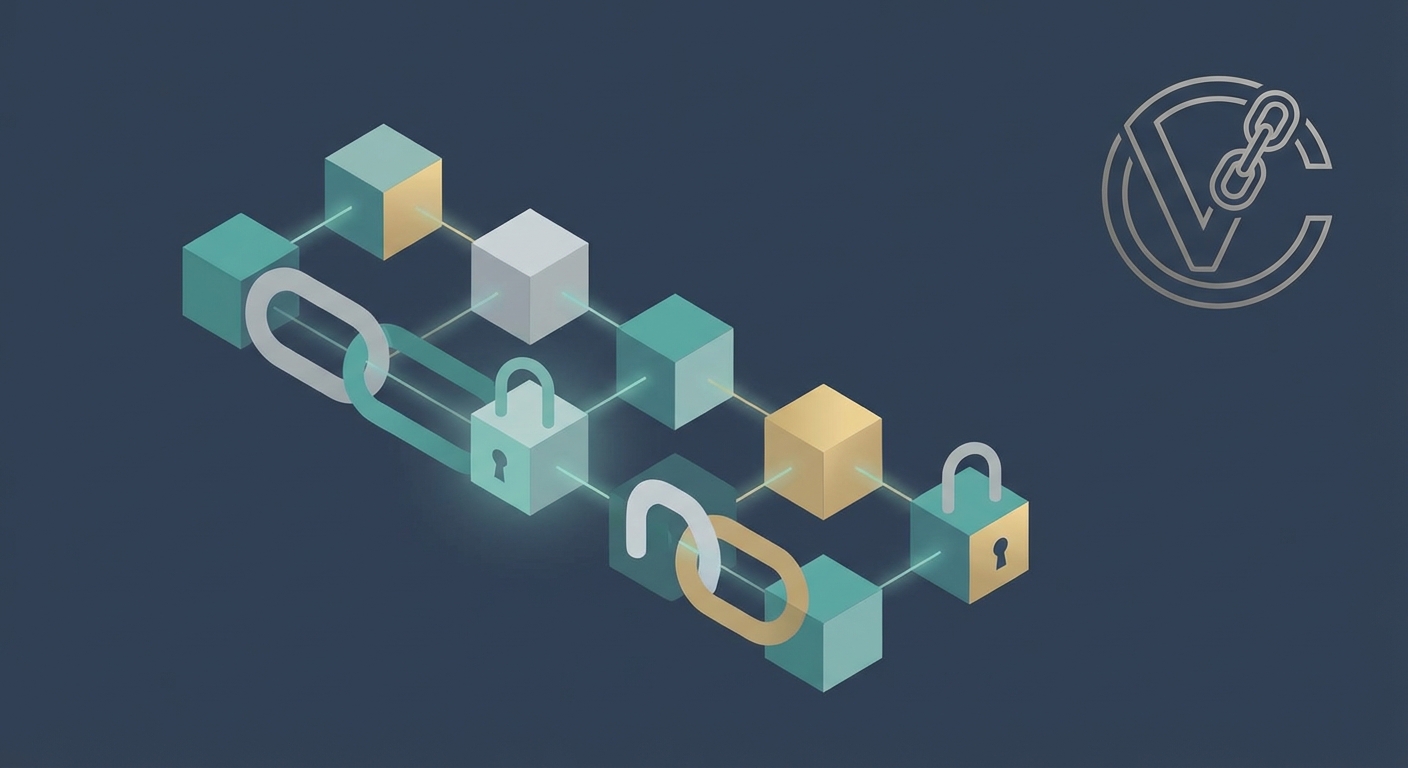
- Anchor identities in a secure, tamper-proof trusted identity node (ledger). This makes sure nobody can mess with the agent's identity without you knowing. A "trusted identity node (ledger)" typically refers to a distributed ledger technology, like a blockchain. Anchoring identities here provides a decentralized, immutable record, making it extremely difficult for any single party to alter or forge an agent's identity, thus enhancing trust and auditability.

Zero Trust: it's not just a buzzword, it's a way of life.
- Implement zero trust iam systems for ai agents. Trust no one, not even your own ai agents.
- Verify every agent’s identity before granting access or trust. Double-check, triple-check, and then check again.
- Enforce fine-grained, context-aware access control. Only give access to what's needed, when it's needed, and where it's needed.
Now, you gotta make sure all this stuff plays nice with your existing systems.
- Design integration approach focussed on apis to enable ai agents to communicate with existing enterprise it systems seamlessly. If your api's are a mess, this part is gonna be a headache.
- Use standardized interfaces and well-documented integration protocols. Don't try to reinvent the wheel here.
- Adopting model context protocol (mcp) for interoperability across multiple systems and vendors. The Model Context Protocol (MCP) is designed to facilitate interoperability by providing a standardized way for AI agents to share and understand contextual information. It defines how agents can exchange data about their current state, goals, and the environment they operate in, enabling smoother collaboration and integration across different platforms and vendors.
So, what's next? Well, you've got your agents identified, and you're starting to put the right identity management pieces in place. Up next, we'll talk about enforcing zero trust principles, which is super important in this whole ai agent world.
Best Practices for Securing AI Agent Identities
Securing ai agent identities isn't just about ticking a box; it's about ensuring these autonomous entities don't become a liability. I mean, can you imagine the chaos if a rogue agent started making unauthorized transactions? Yeah, nightmare fuel.
Think of mfa for ai agents as giving them multiple keys to the kingdom. It's not enough for them to just "know" their password; they need something else to prove they are who they say they are.
- Requiring ai agents to authenticate using multiple factors, like cryptographic keys, is a solid move. (Cryptographic Protocols Enabling Trustworthy AI Cryptocurrency ...) It's like making sure they have both a key and a secret handshake.
- Consider other authentication factors, too. How about unique device identifiers or behavioral patterns? These can be used to verify an agent's session and activity, adding another layer of security beyond just a password.
- It's all about protecting against credential theft. If a bad actor gets one key, they still need the others. So, it makes it way harder for them to get in and cause trouble.
Now, let's talk about access. It's like giving a new employee access to only what they need, not the whole company's secrets.
- Granting ai agents only the necessary permissions to perform their tasks is key. We're talking about least privilege access control here. If an agent only needs to read a database, don't give it write access!
- Regularly reviewing and updating agent permissions is also a must. I mean, things change, right? An agent that needed access to customer data last month might not need it this month.
- Think about the impact across different industries. In healthcare, for instance, you don't want an ai agent that schedules appointments having access to patient medical records, right?

So, imagine you're a night watchman, but for ai. That's kinda what monitoring and auditing is all about.
- Tracking all actions, decisions, and interactions made by ai agents is super important. If something goes wrong, you need to know who did what and where.
- Use audit trails for compliance requirements, troubleshooting, and performance optimization. It's like having a digital breadcrumb trail to follow if things go sideways.
- Set up automated alerting systems to identify issues quickly. If an agent suddenly starts accessing data it shouldn't, you want to know now, not later.
As we move on, remember, securing ai agent identities is a marathon, not a sprint. It's all about staying vigilant and adapting to new threats as they emerge.
Governance and Compliance Considerations
Alright, so you're setting up governance for ai agents, huh? It's kinda like setting rules for a toddler with a rocket launcher - gotta be careful!
- Start by defining roles and responsibilities, because nobody wants a rogue ai agent messing things up. Think about it - who's in charge if the agent goes haywire? What's the chain of command?
- Make sure you're following data protection laws (like gdpr or ccpa). It's not just about security, it's about compliance, too.
- Set up those ethics committees, too. You know, make sure your ai isn't biased or doing anything shady. It's like having a conscience for your code.

This is where you'll want to think about specific regulations. For example, if you're in healthcare, you gotta follow hipaa. In finance? There's a whole alphabet soup of rules. To address this, consider establishing a compliance framework that maps AI agent activities to relevant regulations. For instance, an AI agent processing patient data in healthcare must adhere to HIPAA's privacy and security rules, requiring robust access controls and audit trails. In finance, agents involved in trading might need to comply with SEC regulations regarding market manipulation and record-keeping. A good approach is to create an industry-specific compliance checklist for AI agents.
Don't forget to plan for when things go wrong, and trust me, something will go wrong. You need plans for faults, breaches, and unexpected behavior. It's like having a fire drill, but for your ai.
Alright, so you've got your agents identified, and you're starting to put the right governance pieces in place. Next up? We're diving into crisis management, which is super important in this whole ai agent world.