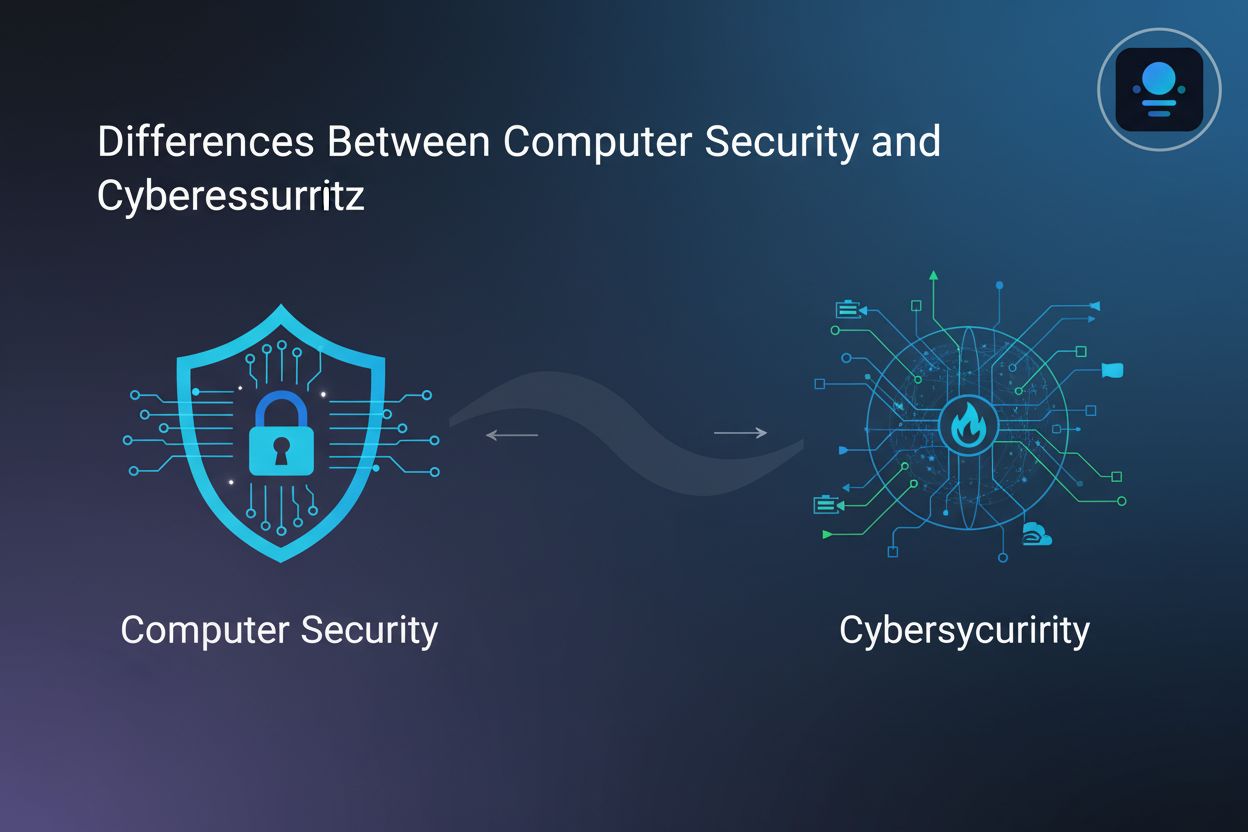
Differences Between Computer Security and Cybersecurity

TL;DR
- This article explores the core differences between computer security and cybersecurity, highlighting their distinct focuses and scopes. Computer security emphasizes the protection of individual devices, while cybersecurity takes a broader approach, safeguarding interconnected systems and data, especially in the context of AI agent identity management and enterprise software.
Introduction: Untangling Computer Security and Cybersecurity
Ever find yourself mixing up computer security and cybersecurity? You're not alone! It's easy to see them as the same thing, but there's actually some important distinctions. Let's untangle this, shall we?
Overlapping concerns: Both computer security and cybersecurity aim to protect digital assets, which leads to people using the terms interchangeably. For example, installing antivirus software protects a computer (computer security), but also defends against malware from the internet (cybersecurity).
Need for clarity: In today's interconnected world, understanding the nuances is vital. Consider a hospital: securing individual workstations is different from protecting the entire patient database from external threats. According to CyberSecOp Consulting, cybersecurity involves safeguarding data from unauthorized access, such as hackers. (What Is Information Security? How Earning a Degree Keeps ...)
Think of it this way: computer security is like putting a lock on your front door. Cybersecurity, on the other hand, is like hiring a security company to protect your entire neighborhood.
So, what's next? We'll dive deeper into the specific differences between these two, and how they both fit into the bigger picture.
What is Computer Security?
Computer security - it's kinda like the og way we thought about protecting our stuff, right? But what is it, exactly?
- It's about protecting individual devices. Think your laptop, that server humming in the back room, or even your phone. It's the security equivalent of putting a fence around your yard.
- This means installing stuff like antivirus software and firewalls directly on each machine. It's like giving each device its own personal bodyguard.
- And, yeah, it also includes the physical stuff - like locks on doors, security cameras and, you know, making sure no one just walks off with your hardware.
Thing is, computer security has its limits. It's not a cure-all.
- It doesn't necessarily shield you from attacks hitting your whole network, it's like- only protecting your yard, but not the whole neighborhood.
- And it might not do much against data breaches coming from outside the network.
- Really, computer security is often a reactive approach, focusing on threats we already know about. It's playing defense, not offense.
So, what happens when threats evolve and start targeting the bigger picture? That's where cybersecurity comes into play, which we'll get into next.
What is Cybersecurity?
Cybersecurity – you hear that term thrown around all the time, right? But what does it really mean, especially compared to just plain ol' computer security? Well, let's break it down.
- Cybersecurity is about protecting interconnected systems. It ain't just about one computer anymore, its about your whole network, all the hardware, and every piece of software talking to each other.
- This includes preventing stuff like cyber-attacks and data breaches. Think about hospitals needing to protect patient records, or retailers guarding customer credit card info. The stakes are high, and the bad guys are always trying to find a way in.
- It's also about keeping info confidential, making sure it's accurate, and always available. If a bank's systems go down, or customer data is compromised, it's game over, man.
Cybersecurity is really about a whole range of technologies and practices put in place to ensure that systems and data are protected (What is cybersecurity? - Cisco) The Difference Between Cyber Security, Computer Security, and Network Security - helps understand the role of technologies, processes, and practices aimed at ensuring the confidentiality, integrity, and availability of information and systems.
Now, let's get into how cybersecurity differs from computer security in practice.
Key Differences: Computer Security vs. Cybersecurity
Okay, so you're probably wondering, like, what really makes computer security different than cybersecurity, right? It's not just semantics, i swear!
Scope and Focus: Computer security is laser-focused on individual devices; think of keeping your laptop safe, it's more limited and well, kinda old-school. Cybersecurity is way broader, it's like protecting the whole damn network, not just one machine.
Proactive vs. Reactive: Computer security is often reactive. It's like installing antivirus after you get a virus. Cybersecurity? That's more proactive, you're trying to anticipate threats, patch vulnerabilities, and keep the bad guys out before they even try gettin in. Proactive measures include things like threat intelligence gathering, regular penetration testing to find weaknesses, and robust security awareness training for employees.
Comprehensive Approach: Computer security is limited in scope, focusing on individual endpoints. Cybersecurity, on the other hand, is comprehensive. It is about protecting interconnected systems and data from cyberattacks, data breaches, and ensuring confidentiality, integrity, and availability. This comprehensive approach integrates various security domains, including network security, application security, and data security, to create a layered defense.
The Importance of a Comprehensive Cybersecurity Strategy
A comprehensive cybersecurity strategy is absolutely crucial in today's digital landscape. It's not just about having individual security tools; it's about having a well-thought-out plan that protects your entire digital ecosystem. This strategy ensures that all aspects of your organization's digital presence are secured, from individual endpoints and sensitive data to the networks that connect them. A robust strategy helps in anticipating and mitigating a wide range of threats, minimizing the impact of potential breaches, and maintaining business continuity. It's the difference between just locking your doors and having a full security team monitoring your entire property 24/7.
Conclusion: Embracing a Holistic Approach
Okay, so we've been diving deep into computer security vs. cybersecurity – bet you're feeling like a total expert now, huh? But what's the takeaway here, the real deal? Let's wrap it up.
First off, you gotta blend computer security tactics into your cybersecurity strategy. Think of it like this: cybersecurity is the overall game plan, but computer security is still those individual plays that win the game. So don't ditch the basics like antivirus software!
Next, staying on top of new threats and technologies is key. The cyber landscape is always changing, it's like trying to hit a moving target, honestly. Keep an eye on what's new, read up on the latest breaches, and adjust your defenses accordingly.
And finally, ai agent identity management needs to be a priority. I mean, ai is only getting bigger, and protecting those ai agents and their access is gonna be crucial. You don't want some rouge ai agent running wild in your systems, right?
It's about layering your defenses, keeping up with the times, and, well, just being smart about it. Don't get complacent, folks!