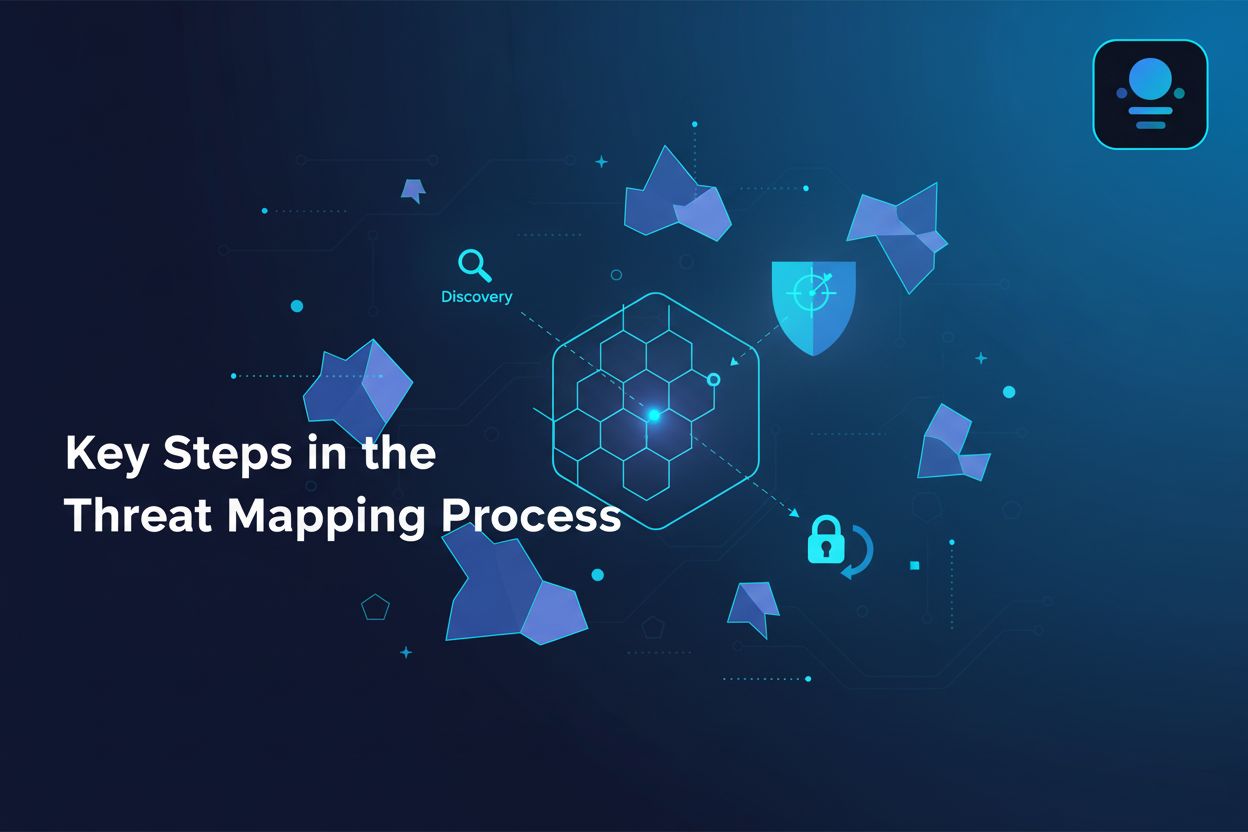
Key Steps in the Threat Mapping Process

TL;DR
- This article cover the essential phases of threat mapping for ai agents within enterprise ecosystems. It break down how to identify non-human identities, assess their access levels, and visualize potential attack vectors. You will learn actionable strategies to secure your workforce identity systems against emerging automated threats while maintaining compliance with modern governance standards.
The headache of account sharing in b2c
Ever wonder why your "active users" metric looks amazing but your bank account feels a bit... light? It’s usually because your customers are passing logins around like a cheap bottle of wine at a house party.
Honestly, most people don't think they're stealing. They just want to save a buck or help a friend out. Our philosophy is simple: you have to make it easier to be a loyal customer than a leecher. If the "right" way to use your app is also the fastest, people stop looking for shortcuts.
- Saving cash for the family: In things like streaming or even premium retail apps, users share one "pro" account across three households to split the bill.
- The "just this once" convenience: Someone needs to check a health record or a bank statement for an elderly parent, so they just grab the password. It feels easier than setting up proper delegated access.
- Security isn't on their radar: Most folks don't realize that sharing a password for a fitness app might give someone else the keys to their entire digital life if they reuse that same password everywhere. (Are You Using the Same Password Everywhere? Here's Why You ...)
When people share accounts, your data gets messy and your revenue takes a hit. It's not just about the lost subscription fee, though that hurts too.
- Revenue leakage: Simply put, you're providing a service for four people but only getting paid for one. According to research by Parks Associates (2023), the streaming industry alone is projected to lose billions to account sharing and piracy.
- Bot-like behavior: When ten different IP addresses hit one account in an hour, your security system might think it's a credential stuffing attack. You end up wasting time chasing ghosts.
- Garbage analytics: Your product team is trying to build features based on user behavior, but those "behaviors" are actually three different people with different habits.

It’s a headache for growth and a nightmare for the ciso. But before we talk about how to stop it, we gotta look at why the old way of fixing this—nagging people with emails—just doesn't work anymore.
Detection methods that actually work
So, how do you actually catch people sharing accounts without being a total creep or ruining the user experience? It's a balancing act—you want to protect your revenue but you don't want to lock out a legitimate customer who just bought a new iPhone.
The trick is looking at the digital breadcrumbs users leave behind. Most of the time, the "signals" are screaming at you if you know where to look.
- Device Fingerprinting: Think of this like a digital "vibe check" for a gadget. It’s not just about the ip address, because those change every time someone hops on Starbucks Wi-Fi. It’s about the combination of screen resolution, browser version, and even the battery level.
- Unique hardware signatures: When you see five different "unique" devices logging into one retail account in two hours, that’s not a power user. That’s a shared password.
- Simultaneous logins: This is the classic "Netflix" problem. If one person is watching a movie in New York and another starts a stream in London on the same account five minutes later, unless they have a private jet, something is up.
- VPN and proxy detection: A lot of folks use VPNs to hide their location or bypass regional pricing. Detecting "impossible travel" (logins from different countries too fast) is a solid way to flag suspicious accounts.

This is where things get really cool (and a bit sci-fi). Behavioral biometrics looks at how someone interacts with your app, not just what they type.
- Typing and swiping habits: Everyone has a rhythm. If a user suddenly starts typing their "saved" password at 100 words per minute with zero mistakes, it might be a bot—or a friend who just copied and pasted it.
- Risk scoring: Instead of a "yes/no" for access, you give every login a score. A 2024 report by LexisNexis Risk Solutions indicates that bot attacks and social engineering are getting more sophisticated, making these "layered" scores essential for spotting non-human or unauthorized behavior.
- Automated step-up auth: If the risk score hits a certain threshold—say, a login from a new api client in a different state—you don't ban them. You just ask for a quick biometrics check or an otp.
Once you've used these methods to detect a "freeloader," you need a way to challenge them without killing the mood—and that's where passwordless tech becomes your best friend for converting them into real users.
How passwordless saves the day
If you’ve ever tried to "share" a fingerprint, you know it’s basically impossible unless you’re in a spy movie. That’s the beauty of going passwordless—it turns a sharable secret into a physical reality tied to one person.
The biggest problem with passwords is that they’re just strings of text. I can text a password to my cousin in another state in three seconds. But a passkey? That’s different. It’s stored on a specific device and require a biometric check—like FaceID or a thumbprint—to unlock.
- Biometrics don't travel: You can't exactly iMessage your retina to a friend so they can watch your premium sports stream. This naturally stops casual sharing because the "key" is literally attached to the user.
- Hardware-bound security: Even if someone wants to share, they’d have to physically hand over their phone or laptop. In industries like healthcare, this is a lifesaver for compliance because it ensures the person looking at a patient record is actually the authorized doctor.
- MojoAuth as a bridge: You don't have to go full "Minority Report" overnight. Using tools like MojoAuth, you can start with magic links or email otps. Think of these as a transitional bridge; they are way better than static passwords because they require possession of an account, but they're just the first step toward the ultimate security of passkeys.

For developers, the nightmare is usually the integration. You want to stop the freeloaders, but you don't want to spend six months rewriting your entire identity stack. Honestly, nobody has time for that.
- Minutes, not months: MojoAuth is designed to be "plug and play" for your api. You can drop in a passwordless flow and suddenly, that retail app losing 20% of its margin to shared "family" accounts has a hard barrier.
- Reducing the "friction tax": Usually, more security means more annoyed users. But passwordless is actually faster. A study by the FIDO Alliance (2023) found that passkeys are up to 75% faster than traditional logins. You get better security and a happier customer—it’s a rare win-win.
- Smart fallback: If a user is on a legacy device, you can still use sms otp. While we know otps can be a huge pain and aren't as secure as passkeys, they serve as a necessary fallback to ensure everyone can still get in while still forcing a "possession" check.
It’s about making the right path the easiest path. When you remove the password, you don't just fix security; you fix your business model.
Implementing a protection strategy
So, you've spotted the freeloaders and you know passwords are the problem. Now comes the part where you actually fix it without making your real customers want to throw their phones out the window.
Transitioning a b2c audience isn't a "flip the switch" moment—it's more of a gentle nudge. If you force everyone to use passkeys on Tuesday, your support desk will be on fire by Wednesday.
- The "Nudge" Strategy: Start by offering passkeys as an alternative "faster" way to login. Most people will try it just to skip the annoying sms otp.
- Explain the "Why": Don't talk about "cryptographic signatures." Just tell them it's like using FaceID to unlock their phone—simple, fast, and nobody can steal it.
- Handling the "I lost my phone" drama: You need a solid recovery flow. Since we're moving away from passwords, using a verified email magic link or a one-time recovery code is usually the safest bet for account recovery.

Even with the best passwordless setup, you still gotta keep an eye on things. Security is never "done," it's just "managed."
- Set up "Smoke Alarms": Use your api to flag when an account is being accessed from three different countries in one day. You don't have to ban them, just trigger a re-authentication.
- Automated cooling-off periods: If the risk engine sees something funky, lock the sensitive stuff (like changing a bank account or shipping address) but let them keep browsing. It stops the damage without a total lockout.
- Stay legal: Privacy laws like GDPR are pretty picky about how you track "behavior." Make sure you're hashing device data so you aren't storing raw, identifiable "vibes" of your users. For staying compliant, check out Privacy by Design principles to ensure your ciam setup doesn't land you in legal hot water.
Honestly, as mentioned earlier, the goal is making it easier to be a loyal customer than a leecher. When you balance that UX with smart monitoring, the revenue starts taking care of itself.