The Risks of Compromised Hardware in Network Security

TL;DR
- This article covers the significant risks compromised hardware poses to network security, especially in environments using ai agents. We'll explore how hardware vulnerabilities can be exploited, the impact on identity management and enterprise software, and strategies for mitigating these threats through enhanced supply chain security and proactive testing.
Understanding the Threat Landscape of Compromised Hardware
Okay, let's dive into this whole compromised hardware thing. It's kinda like finding out your house key ALSO opens your neighbor's back door – not a good feeling, right?
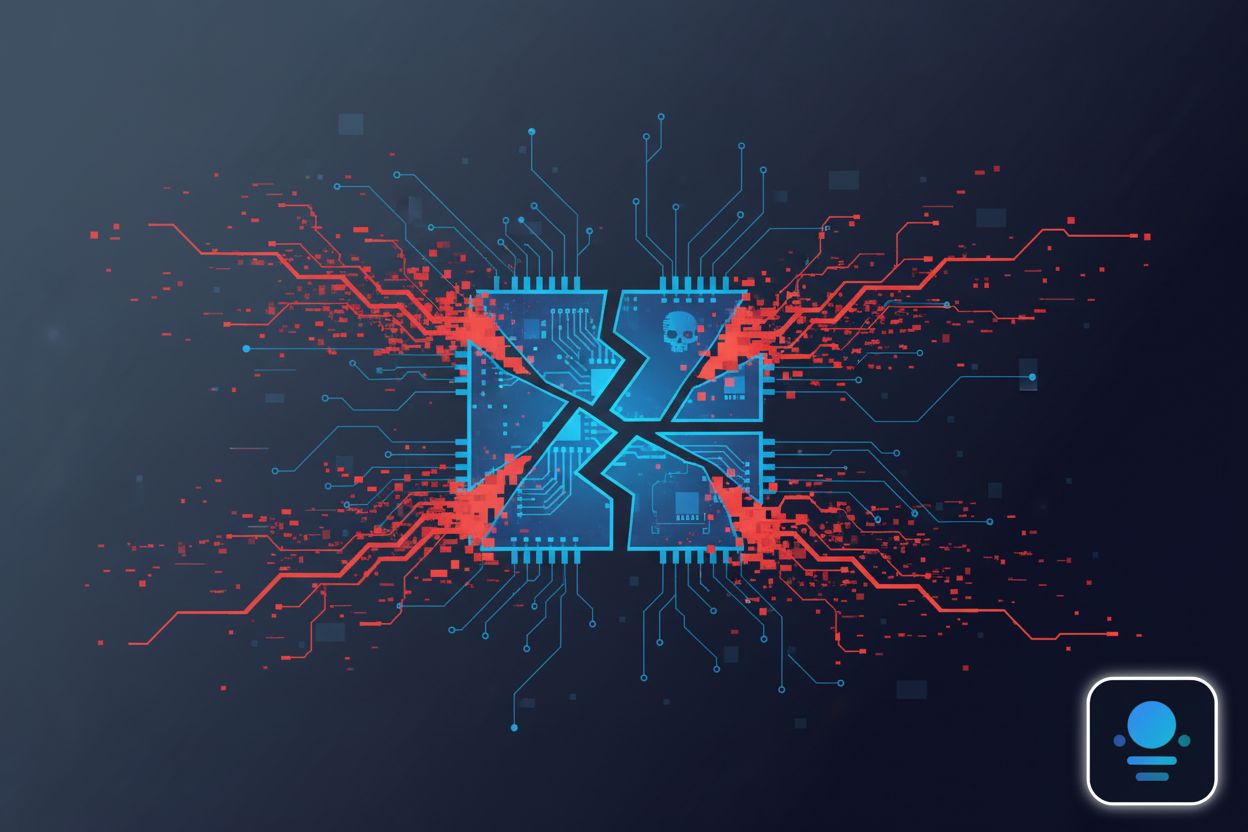
Compromised hardware is any physical part of a network device that's been messed with, either during manufacturing or after it's been deployed. we're talking about routers, servers, firewalls, even those seemingly harmless iot devices. The goal? To sneak in, mess things up, or straight-up steal data. It's not just about software anymore; the physical stuff matters big time.
- Think of it like this: a rogue chip implanted in a server during manufacturing. It sits there, dormant, until a specific signal activates it, opening a backdoor for attackers.
- Or, consider a seemingly normal router used by a retail store, but it's been pre-loaded with malicious firmware that logs all network traffic, including customer credit card info. Ouch.
- And don't forget healthcare: imagine a compromised medical device, like a patient monitor, that's been tampered with to subtly alter readings, potentially leading to misdiagnosis. Scary stuff.
Well, there's a couple of ways this can go down. Supply chain attacks are a big one, where malicious components are slipped in during the manufacturing or distribution process. Then you have hardware trojans, which are sneaky mods to the hardware design that create vulnerabilities. A hardware trojan is essentially a malicious circuit or logic added to a chip during its design or fabrication. It might be designed to activate under specific conditions, like a certain input or a timer, and then perform an unintended action, such as leaking sensitive data or creating a backdoor. And, of course, firmware implants – malicious code secretly embedded in the device's firmware. Firmware implants are malicious code that replaces or modifies the device's legitimate firmware. This allows attackers to control the device at a very low level, often before the operating system even boots up, making them incredibly difficult to detect and remove.
The increasing reliance on interconnected devices and complex enterprise hardware setups has led to a significant surge in hardware vulnerabilities. According to a Bugcrowd report, hardware vulnerabilities saw a massive 88% increase, which they chalk up to more iot devices and bigger enterprise hardware setups. (Bugcrowd reports an 88% increase in hardware vulnerabilities and ...) This growing threat landscape means that the physical integrity of our technology is just as critical as its software security.
So, what's next? Well, with ai agents becoming more common, the attack surface is just gonna get bigger. We'll need to look at how compromised hardware can mess with ai and identity management systems.
Impact on AI Agent Identity Management and Enterprise Software
Okay, so you're thinking about ai agents and enterprise software, right? Imagine a hacker using compromised hardware to become one of your ai agents - pretty scary thought, huh?
Compromised hardware can be used to steal ai agent identities. Think about it: if a device an ai agent uses is compromised, attackers can snag the agent's credentials. This lets them impersonate the agent, access sensitive data, and mess with systems without anyone knowing the difference. For example, in a healthcare setting, a tampered server could allow unauthorized access to patient records via an ai-powered diagnostic tool. An ai agent, in this context, refers to an autonomous software program that uses artificial intelligence to perform tasks, make decisions, and interact with its environment, often within enterprise systems or networks. These agents can manage data, automate processes, or even provide security analysis.
It can also introduce vulnerabilities into enterprise software. A compromised server, for example, could let attackers inject malicious code into your CRM, ERP, or even HR systems. This means they could steal data, disrupt operations, or even hold your systems hostage. If your finance software is hit, well- you can imagine the chaos that could bring, right?
Compromised hardware can lead to unauthorized actions and data breaches. The bad guys could use compromised devices to access systems they shouldn't, steal confidential info, or even sabotage operations. A compromised router in a retail store could let attackers access customer data, leading to a massive data breach and a huge hit to the company's reputation.
Let's say a manufacturer slips a malicious chip into the servers of a major financial institution. This chip allows attackers to bypass normal security checks, impersonate ai agents managing transactions, and siphon off funds without triggering alarms. Or, imagine a compromised iot device in a smart factory. Attackers could use it to access the manufacturing control system, causing production delays or even damaging equipment, all while pretending to be an authorized ai maintenance bot.
As Bugcrowd pointed out, hardware vulnerabilities have seen a big jump. (Bugcrowd - This report highlights the increasing risks associated with hardware vulnerabilities). It's not just theoretical; it's happening more and more.
So, what do we do about this mess? Well, we'll get into some ways to protect your systems from compromised hardware in the next section.
Mitigation Strategies: Securing Your Network from Hardware Threats
Okay, so, you're probably wondering what we can actually do about all this hardware craziness, right? It's not like we can just wish the bad guys away. Let's get into some actual mitigation strategies - things you can put in place to try and keep your systems secure.
So, supply chains are a big problem area, as we've already discussed. It's like, how do you know that shiny new server really is what it says on the box?
- Implementing robust supply chain risk management processes is key. This means doing your homework on suppliers. Check their security practices, certifications, and reputation. Don't just go with the cheapest option; consider the risk.
- Verifying the authenticity and integrity of hardware components before deployment is another must. Think about it: every component is a potential entry point. Use tools that can verify hardware integrity, like non-invasive imaging or side-channel analysis. Non-invasive imaging involves techniques like X-ray or microscopy to examine the physical structure of a chip without damaging it, looking for any unusual modifications. Side-channel analysis, on the other hand, monitors physical emanations from a device, such as power consumption or electromagnetic radiation, to infer sensitive information or detect anomalous behavior.
- Working with trusted suppliers and manufacturers who have strong security practices is crucial. Build relationships, audit their processes, and make sure they're as serious about security as you are.
You can't just set it and forget it, unfortunately. Hardware needs constant vigilance, just like software.
- Regularly scanning hardware for vulnerabilities and signs of compromise is a must. It's like getting a regular check-up at the doctor; you gotta know what's going on inside. Use tools that can detect anomalies and suspicious activity.
- Using hardware security modules (HSMs) to protect sensitive data and cryptographic keys can add an extra layer of security. Think of it as a digital vault for your most precious secrets.
- Implementing intrusion detection and prevention systems (IDPS) to monitor network traffic and identify malicious activity is also important. This is your network's security guard, always on the lookout for trouble.
With ai agents becoming more common, we need to make sure they're not a weak link.
- Implementing strong authentication and authorization controls for ai agents is essential. Don't let just anyone pretend to be an AI!
- Using multi-factor authentication (MFA) to protect ai agent identities adds another layer of security. It's like having a double lock on your front door.
- Regularly auditing ai agent access and permissions helps ensure they're only doing what they're supposed to be doing.
So, yeah, it's a lot to take in. But, as Bugcrowd mentioned, these risks are only going up, so getting a handle on this stuff now is gonna save you a lot of headaches down the road. Next up, we'll chat about incident response.
Incident Response for Compromised Hardware
Okay, so, you've done your best to prevent hardware compromises, but what happens when the worst occurs? Having a solid incident response plan specifically for compromised hardware is super important. It's not just about unplugging a bad server; it's a whole process.
First off, detection and identification is key. This means having systems in place that can flag unusual hardware behavior or network traffic that might indicate a compromise. Think about anomaly detection tools that look for deviations from normal operating patterns.
Once you suspect a compromise, containment is the next step. You need to isolate the affected hardware to prevent the issue from spreading. This might involve taking a device offline, segmenting the network, or disabling specific services. The goal is to stop the bleeding, fast.
Then comes eradication. This is where you remove the threat. For compromised hardware, this can be tricky. It might mean physically replacing the compromised component, wiping and re-imaging the device, or even destroying the hardware if the compromise is too deep to trust.
Finally, there's recovery and lessons learned. After you've cleaned things up, you need to restore normal operations and, crucially, figure out how this happened. What went wrong in your supply chain? Was there a gap in your monitoring? This is where you update your defenses and your incident response plan to make sure it doesn't happen again.
The Future of Hardware Security: Trends and Predictions
Okay, so, what's next for hardware security? It's not just about reacting to attacks; it's about getting ahead of them, you know?
One big trend is hardware-based security solutions. Things like trusted platform modules (TPMs) and secure enclaves. These are basically like having tiny, super-secure vaults inside your hardware, protecting sensitive data and cryptographic keys, and its getting more sophisticated.
Then there's ai-powered threat detection and response systems. Ai can analyze massive amounts of data to spot anomalies and suss out potential hardware compromises way faster than any human could. It's like having a tireless security guard watching over everything, 24/7.
And don't forget about blockchain-based supply chain security solutions. Blockchain can help track hardware components from manufacturing to deployment, making it harder for attackers to sneak in malicious stuff along the way. This creates an immutable ledger of a component's journey, ensuring its authenticity and integrity at every step.
According to a recent Bugcrowd report, the attack surface is expanding with the growing use of ai and connected devices. (Bugcrowd - This report highlights the increasing risks associated with hardware vulnerabilities).
So, yeah, the future's looking interesting, but it also means the threat landscape is gonna keep evolving...
Conclusion: A Proactive Approach to Hardware Security
Alright, so we've been diving deep into the murky waters of compromised hardware, haven't we? It's easy to think "that won't happen to me," but honestly, that's what everyone thinks.
- First off, recognizing the risks is half the battle. It's not just about viruses anymore; it's about the very chips and boards that run your systems.
- Next, a layered approach is key. Think supply chain security, regular hardware testing, and keeping a close eye on ai agent identities.
- And lastly, we need collaboration - sharing info and staying ahead of emerging threats is how we win.
Ultimately, we need to take action now! Don't wait til something goes wrong; check out resources like industry whitepapers, security vendor blogs, and government cybersecurity advisories to stay informed. Implement security measures, and stay vigilant. It's an ongoing battle, but one we can win if we're proactive about it.