The Five Stages of Continuous Threat Exposure Management

TL;DR
- This article breaks down Continuous Threat Exposure Management (CTEM) into five actionable stages. Covering everything from defining your scope and discovering assets to prioritizing threats, validating security measures, and continuously optimizing your security posture, it offers a practical framework for managing risks associated with AI agent identity and access within the enterprise.
Introduction to Continuous Threat Exposure Management (CTEM)
So, everyone is talking about ai agents lately. It is cool tech, for sure, but are we actually thinking about how to keep 'em secure? Probably not enough. That is where Continuous Threat Exposure Management (ctem) comes in.
Basically, Continuous Threat Exposure Management (CTEM) is a proactive way to find, fix, and keep an eye on security risks. It isn't a one-time thing; it is a constant cycle. With ai agents becoming common in industries like healthcare for diagnoses, retail for shopping, or finance for fraud detection—we are opening up a whole new can of worms for security.
- It is about finding the holes before the bad guys do, which means looking all the time.
- ai agents are often autonomous, making the attack surface bigger and harder to manage.
- If your security is only as good as your last check-up, you are gonna have a bad time.
Traditional security methods just aren't cutting it anymore, especially with AI. Those old periodic assessments are like checking your tire pressure once a year—useless. We need real-time visibility and continuous monitoring. The autonomous nature of these ai agents means they can change on their own, so our security needs to do the same.
A reactive, incident-based approach just isn't going to work when ai agents are making decisions in real-time. We need to understand where we are vulnerable and fix it before anything goes wrong.
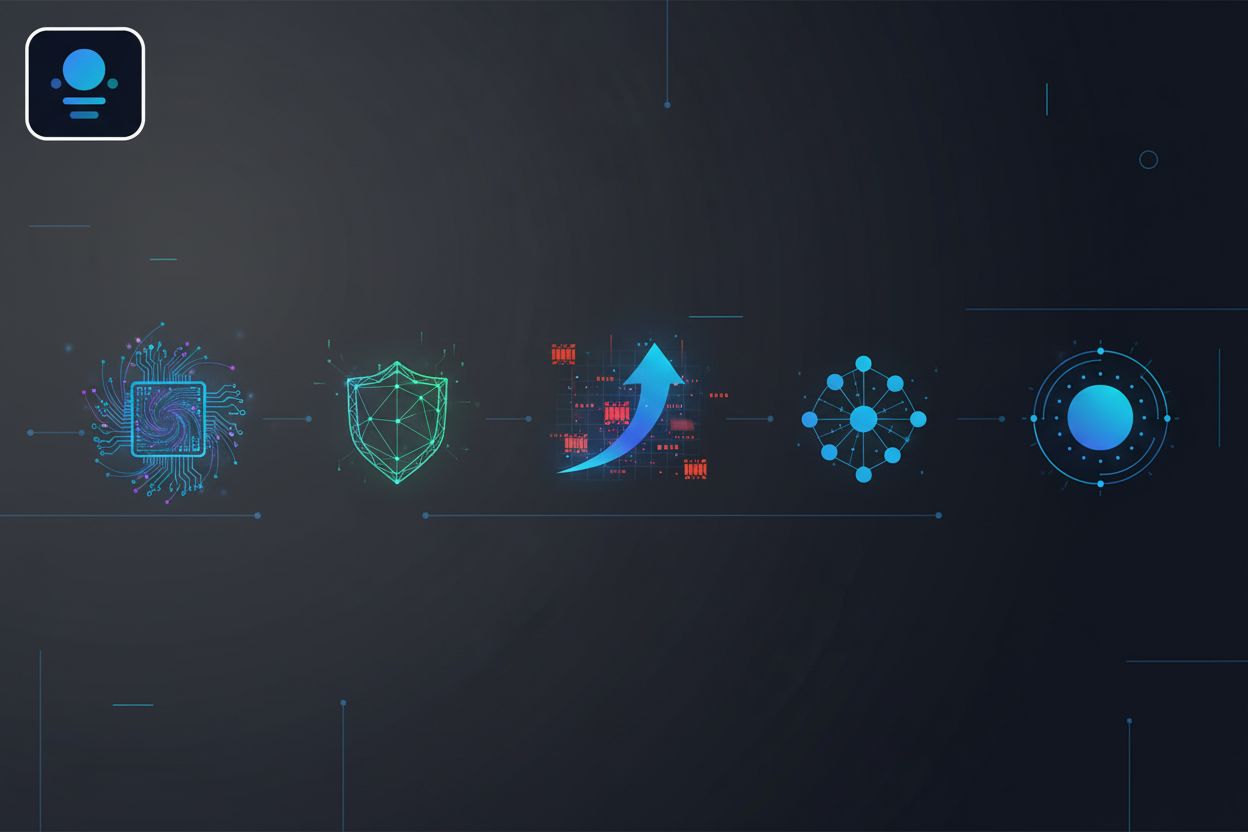
So, where do we start? The five stages of CTEM are: Scoping, Discovery, Prioritization, Validation, and Mobilization. Let's dive into how to make this happen.
Stage 1: Scoping
Before you dive headfirst into locking things down, you need a map. Scoping is about drawing that map.
First, figure out which ai-driven business processes are so vital that if they hiccup, the whole operation goes sideways. If you're in healthcare and an ai is helping with diagnoses, that is a big deal. Or if a bank's ai is handling fraud detection—you really don't want that going down.
- Categorize those ai agents. Not all agents are created equal. Some have higher privileges or handle sensitive data. You gotta know who is who.
- Document dependencies. What other systems does each ai agent rely on? Because if those systems get hit, your ai agent is toast too.
- Think worst-case scenario. What is the absolute worst that could happen if a breach occurs? Data leaks? Massive fines?
Now you know what you're protecting, you need to set some goals.
- Use SMART objectives. Don't just say "improve security." Say "Reduce threat exposure time for critical ai agents by 30% in the next quarter."
- Define KPIs. Track how quickly you're patching vulnerabilities and how long it takes to respond to incidents.
- Align with the business. Security isn't just an IT thing. If the company wants to expand ai services, your security goals need to support that growth safely.
Stage 2: Discovery
Now comes the part where you find out where your ai agents are and what kinda trouble they could get into. You can't defend a castle if you don't know all the secret passages.
You have to actually find all your ai agents. It sounds simple, but it's not. In big orgs, stuff gets deployed without everyone knowing. We're talking about every single ai agent, no matter how small.
- Tools are key. Use network scanners and cloud inventory tools to uncover every instance. You might be surprised what you find. Maybe a marketing team is using an ai-powered generator that IT knows nothing about.
- Create an inventory. This isn't just a list; you need to know who owns each agent and what permissions it has.
- Identify shadow ai. These are the scary ones—agents deployed without authorization, often with weak security.
Once you have the inventory, you look at the attack surface.
- Analyze the surface. This includes apis, interfaces, and data sources. Every one of these is a potential entry point.
- Identify misconfigurations. Are there default passwords that haven't been changed? Any overly permissive access controls?
- Map data flow. Understand how data moves in and out of the ai agent. This helps you find potential leakage points.
Now that we've found the agents and the holes, the next step is to prioritize which ones to fix first.
Stage 3: Prioritization
You've found all these vulnerabilities, but you can't fix 'em all at once. Prioritization is about focusing on what will hurt you most. This stage includes the formal analysis of the risks you discovered.
First, figure out which threats are actually likely to happen and how bad it'll be if they do.
- Conduct risk assessments. This means figuring out the likelihood and the impact. If an ai agent handles patient data, a breach is high-impact. A bug in an ai that manages office coffee? Not so much.
- Develop threat models. Think like a hacker. What are the possible attack vectors? How could someone actually exploit these vulnerabilities?
- Don't forget insiders. It is easy to focus on hackers, but disgruntled employees or careless insiders can cause just as much damage.
Now, let's get practical with the vulnerabilities.
- Scan regularly. Use automated tools to check your ai agent software and configurations for weaknesses.
- Rank by severity. Some vulnerabilities are easy to exploit and cause massive damage. Those go to the top. Others can wait a bit.
- Use threat intelligence. Stay informed about what the bad guys are up to right now.
Prioritizing isn't a one-time thing; it's a cycle. You have to constantly reassess as new threats emerge. Next, we have to make sure our fixes actually work.
Stage 4: Validation
You've put in the work to shore up security—but how do you know it's actually working? Time to put it to the test. This isn't just about ticking boxes; it's about making sure your defenses hold up.
Think of this like a drill. You need to actively try to break things to see where the weak spots are.
- Penetration testing. Hire ethical hackers to try and break into your system. If they succeed, you know you've got a problem.
- Validate controls. Access controls, encryption, monitoring—are they actually doing what they are supposed to? Are only authorized personnel accessing what they are supposed to access? If not, fix it.
- Automated testing. Continuously monitor your security posture with tools. Nobody has time to check everything manually.
- Security audits. These ensure you're following policies and regulations.
Validation is about proving that a vulnerability is actually exploitable in your specific environment. Once you've validated the risks, you move to the most important part: actually doing something about it.
Stage 5: Mobilization
Mobilization is where the rubber meets the road. This stage is often missed, but it's critical because it involves operationalizing your findings. It's not enough to know there's a hole; you have to get the right teams to plug it.
In this stage, you turn your technical findings into business action.
- Operationalize the response. This is where you move from "we found a problem" to "we are fixing it." It requires coordination between security teams and the people who actually own the ai agents.
- Develop incident response plans. You need a plan specific to ai agent incidents. How do you shut down a rogue agent without messing up other systems?
- Run response drills. Like a fire drill, but for cyberattacks. Make sure everyone knows their roles. A finance company might simulate a scenario where a trading bot starts making unauthorized trades.
- Clear communication. You need to document who is in charge of what. If the fire alarm is blaring, everyone needs to know their job.
Mobilization ensures that the insights from the first four stages don't just sit in a report. It's about making security a part of the daily workflow.
Continuous Improvement and Governance
Security isn't a "set it and forget it" deal. Things change, and your ai agents are probably learning and changing too. To keep CTEM from becoming a total headache, you need a bit of governance.
Governance means setting up clear roles and responsibilities across departments. Security isn't just for the security team; the developers and business owners of the ai agents need to be involved too. Regular meetings to review the CTEM cycle help keep everyone on the same page.
- Real-time monitoring. You need to know instantly when something fishy is going on.
- Feedback loops. What went right? What went wrong? If you had an incident, what did you learn?
- Automate everything. Vulnerability scanning, patching, and parts of the response—the more you automate, the less you worry about human error.
- Adaptive measures. Use security that can automatically tighten up when a threat is detected.
Conclusion
You made it to the end! Implementing ctem for ai agents isn't a walk in the park, but leaving your ai vulnerable is way scarier.
- Reduced Risk: CTEM helps you find and fix vulnerabilities faster.
- Better Posture: Continuous monitoring means you're always on top of your game.
- Ready to React: When an incident occurs, you've already practiced the plan.
Security isn't static, and neither are ai agents. They're constantly evolving, which means your security needs to adapt too. Embrace a proactive, risk-based approach. Don't wait for something bad to happen before you take action.
CTEM isn't just a framework, it's a mindset. It is about a culture of continuous improvement and staying one step ahead of the bad guys. So, get out there and start securing those ai agents!