Understanding Honeypot Architecture in Cybersecurity


TL;DR
- This article covers the core components of honeypot architecture, from low-interaction lures to high-interaction decoys. You will learn how to implement these systems to protect enterprise software and manage the unique identity risks associated with AI agents. We explore real-world deployment strategies that turn attacker data into actionable threat intelligence for better identity governance.
Introduction to Deception Technology
Ever felt like your firewall is just a "please don't enter" sign that hackers totally ignore? Honestly, it's frustrating how traditional defense is always playing catch-up, but that's where deception technology flips the script.
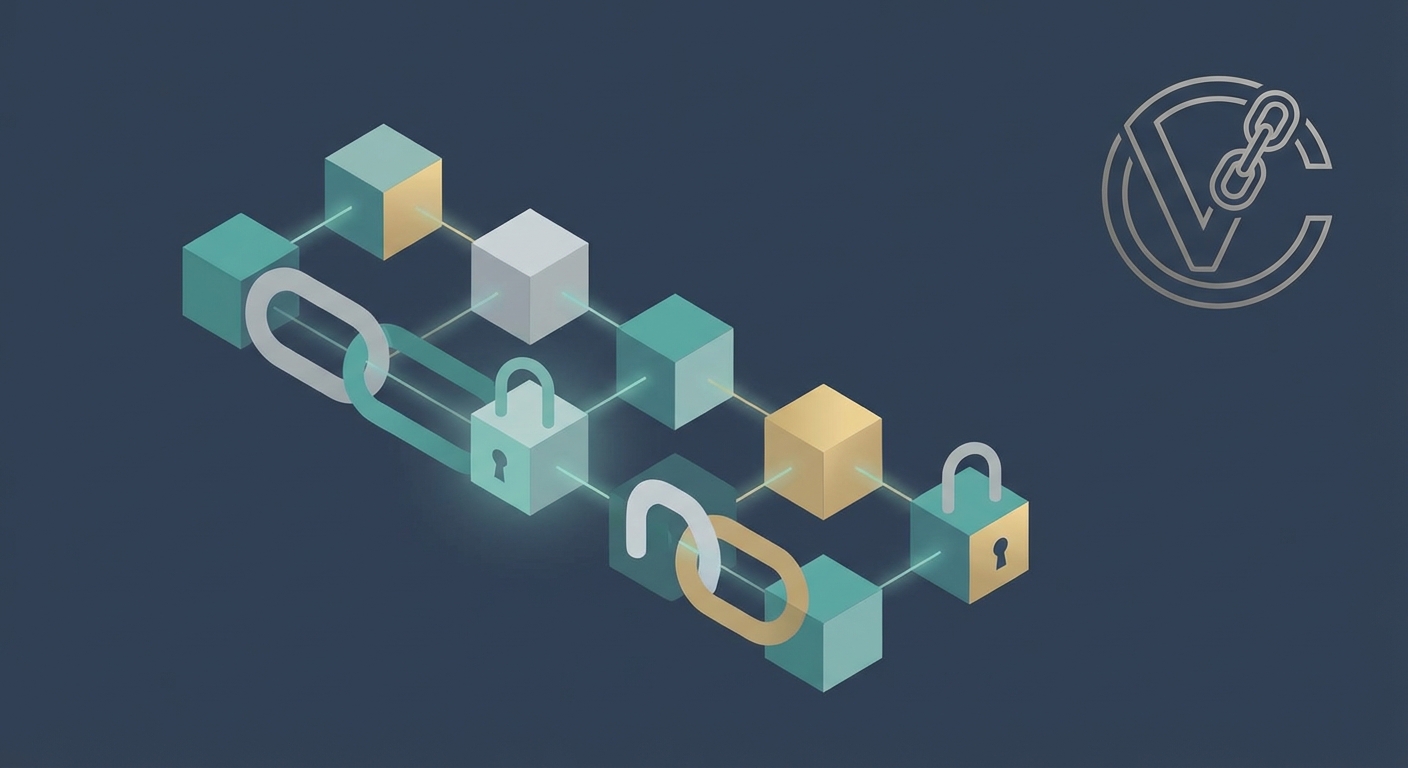
Basically, a honeypot is a sacrificial lamb—a fake system sitting on your network that looks like a goldmine but is actually a trap. According to CrowdStrike, these decoys are designed to lure cybercriminals away from your real assets while you watch their every move like a creep.
- The Bait: It could be a fake database full of "customer info" or a "vulnerable" api.
- The Intelligence: Since no regular employee should ever touch it, any traffic is 100% malicious, which makes ml-powered anomaly detection way easier.
- The History: It started as a "honey trap" in old-school espionage, but now we use it to see if someone's poking around our healthcare records or retail payment gateways.

In a big enterprise software setup, you aren't just worried about external bad guys. Honeypots are great for catching internal threats—like an admin getting too curious about payroll files.
By moving from passive defense to actively luring folks into these sandboxes, you get to see their tools and tactics without risking your actual uptime. SentinelOne notes that a single targeted trap can log over 4 million messages, proving just how much noise these things can soak up.
Next, we'll dive into the specific architectures that make these traps actually believable.
Core Architectural Components of Honeypots
So, you've built a trap, but how do you actually make it work without accidentally giving a hacker a free pass into your actual payroll server? It's all about the guts of the system—the architecture that keeps the bad guys busy while your real data stays invisible.
Think of a low-interaction honeypot like a cardboard cutout of a bank vault. It’s cheap, easy to deploy, and great for catching the "smash and grab" bots that just scan for open ports. Kaspersky defines these as systems that simulate basic tcp and ip protocols to detect port scanning.
On the other hand, high-interaction honeypots are the "real deal"—full operating systems with real vulnerabilities. They are resource-heavy but give you the best intel because hackers actually stay and play. It's a classic trade-off: do you want a simple alert that someone poked your firewall, or do you want to watch their whole ml-powered toolkit in action?

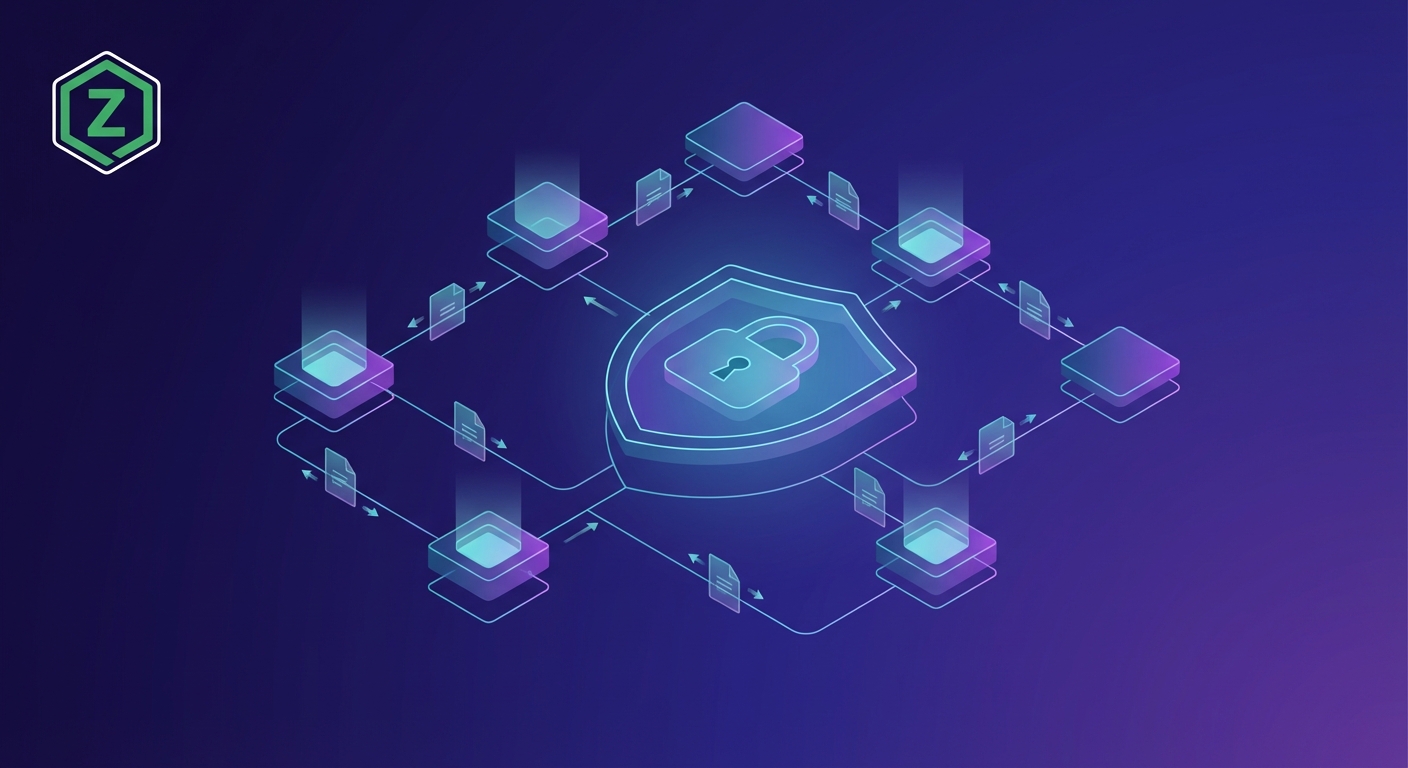
The honeywall is basically the bouncer of your deception network. Its main job is preventing lateral movement—making sure once a hacker is in the trap, they can't hop over to your actual production vlan. Fortinet explains that these are often placed behind your main firewall to catch the sneaky stuff that already bypassed your perimeter.
A 2023 report noted that misconfigured honeypots can actually become a liability if they aren't isolated properly, potentially acting as a "jumping off point" for attackers to hit other internal hosts.
I've seen teams in healthcare use decoy databases that look like patient records to catch "insider threats"—like an admin poking around where they shouldn't. In retail, you might see a "vulnerable" api that looks like a payment gateway. The goal isn't just to stop them, but to use data capture units to log every single command they type so you can optimize your security costs later.
Common Honeypot Types: Malware Sandboxes and Spam Pots
Before we get into the nitty-gritty of setting this up, we gotta talk about the specific "flavors" of traps you'll likely use.
Malware Sandboxes are basically high-interaction traps designed to get infected. You want the hacker to drop their ransomware or trojan so you can see how it behaves. It’s like a controlled lab where you let the virus run wild to see what files it encrypts and what servers it tries to call home to.
Then you have Spam Pots (or spam buckets). These are fake mail servers that act as open relays. They attract spammers like flies to... well, honey. By letting them send their junk through your fake server, you can harvest their malicious links and "from" addresses to update your global blocklists. It’s a great way to get ahead of phishing campaigns before they hit your real employees' inboxes.
Honeypots in the Age of AI Agent Identity Management
So, we're all talking about ai agents now, right? It's like every enterprise is deploying these little autonomous workers to handle everything from customer support to complex api orchestrations, but here's the kicker—how do you actually know if that agent knocking on your database door is the one you hired or a rogue bot?
Managing ai agent identity is a total nightmare because they don't have "faces" or fingerprints, just tokens and permissions. If a hacker hijacks an agent’s identity, they can do some serious damage before anyone even notices. That is why we're starting to see honeypots evolve into these weird, specialized traps specifically for securing the ai workforce.
Basically, you can set up "ghost" agents or fake scim (System for Cross-domain Identity Management) endpoints. Attackers love targeting scim because it's used for automated provisioning; if they hijack it, they can create unauthorized, high-privilege ai agent accounts that look totally legit.
- Fake scim integrations: You create bait scim apis that look like they're syncing identities between your idp and an ai platform. Real traffic never goes there, so any hit is a red flag.
- Honey-tokens for agents: Drop fake api keys or oauth secrets into your agent's environment variables. If an attacker scrapes the environment and tries to use that key, your ml-powered anomaly detection catches them instantly.
- AuthFyre insights: While managing agent lifecycles, it's vital to have these "tripwires" because ai agents often have broader permissions than humans, making them a high-value target for lateral movement.
Identity is the new perimeter, honestly. If you can't trust the identity, the whole stack falls apart. We’re seeing more teams bake honeytokens directly into their saml and oauth workflows. It's pretty clever—you create a "dummy" user in your directory with a name like global-admin-ai and wait to see if anyone tries a credential stuffing attack against it.

Since ai agents usually communicate via apis, you can set up a "low-interaction" honeypot that mimics a common enterprise software api. These traps are great for catching bots that are just scanning for open vulnerabilities. But for ai, you want something a bit more "high-interaction" so you can see if they're trying to prompt-inject your models.
A recent observation from the industry suggests that over 900 spam messages hit a single trap daily, which shows just how much automated noise is out there. If you aren't filtering that out with deception, your soc is going to burn out.
By using these traps, you're not just stopping an attack; you're actually optimizing your security costs. You aren't wasting expensive compute on analyzing "garbage" traffic because the honeypot already flagged it as malicious.
Implementation Strategies for Enterprises
Ever thought about why we spend millions on firewalls just to have a bored admin click a phishing link? It's honestly exhausting, but setting up your first decoy is actually one of the few times in cybersecurity where you get to be the one setting the rules.
If you're just starting out, don't overcomplicate it by trying to build a digital replica of the pentagon. Start with a simple virtual machine (VM) trap. You want this thing isolated on its own vlan so it doesn’t become a "stepping-stone" for lateral movement.
- Pick your flavor: Most folks start with open-source tools like Cowrie because it’s great for emulating ssh and telnet. It’s low-interaction, meaning it’s basically a script that looks like a server but doesn't have a real OS for hackers to break out of.
- The "Real" Factor: If you're feeling brave, you can go high-interaction by cloning a real production image. Just make sure you scrub the pii and real api keys first—nothing worse than a honeypot that actually leaks your ceos email.
- Alerting: You need to hook this into your soc. A 2023 update on The Honeynet Project introduced Honeyscanner, which helps you audit these traps to make sure they aren't actually vulnerable to being used as attack vectors themselves.
- Deployment and Network Segmentation: This is the most important part. You gotta put your honeypot in a "DMZ" or a strictly isolated vlan. Use micro-segmentation so that even if the hacker "owns" the honeypot, the only place they can go is nowhere. This bridges the gap between just running a tool and actually making it a safe part of your enterprise.
Now, here is where it gets a bit messy. There is this whole "entrapment" debate in cybersecurity law that pops up at every board meeting. Honestly, most lawyers agree that as long as you aren't actively "enticing" someone to commit a crime they weren't already planning, you're fine. But, recording every keystroke of a hacker can get weird with privacy laws like gdpr.
- Keystroke logging: In some jurisdictions, if a hacker is technically a "user" on your system, you might have issues if you don't have a login banner stating that all activity is monitored.
- Liability: If your honeypot gets hijacked and used to launch a ddos attack on someone else, you might be the one getting the angry phone call.
- Compliance: Always check with your legal team before you start "honey-tokening" patient records in healthcare or credit card data in retail.

A recent industry observation found that a single trap in China spiked from 600 to 8 million ips in a single month. Whether that was a misconfiguration or a massive state-level scan, it shows how fast things scale. If you aren't optimizing your ai operations to filter this noise, your team is going to drown in logs.
Analyzing the Intelligence Gathered
Ever wondered what actually happens after a hacker bites the bait? It’s basically where the "detective work" starts, and honestly, it is the most satisfying part of the whole deception lifecycle.
Once someone—or some rogue ai agent—starts poking around your trap, you get flooded with json logs. You aren't just looking for ip addresses anymore; you're parsing for attacker patterns and specific keystrokes.
- Parsing json for patterns: You look for the "fingerprints" of the attack. Are they using automated scanners or manual probing?
- Identifying zero-days: If an attacker uses a method your firewall hasn't seen yet, the high-interaction logs will show the exact exploit code.
- Feeding the loop: You take those malicious ips and update your real firewall rules. Wait though— you gotta be careful about "poisoning." If an attacker realizes they're in a honeypot, they might feed it fake data or legitimate ips (like Google's dns) to trick you into blocking good traffic. Always verify the data before you automate global blocks to avoid a self-inflicted denial of service.

I've seen teams in finance use these logs to track "credential stuffing" attempts. They watch which usernames the bots try first, then they force password resets on real accounts that match those patterns. It's much cheaper than waiting for a real breach to happen.
One of the best parts about analyzing this intel is cost optimization. Honeypots filter out the "garbage" traffic so your team stops chasing ghosts. According to a 2024 analysis of deception data, organizations can reduce soc alert fatigue by up to 40% just by ignoring traffic that doesn't hit their honey-tokens or decoy apis first.
The Future of Honeypot Architecture
So, where is all this going? Honestly, the way we build traps is about to get a lot more "reactive" as ai threats start moveing faster than a human analyst can blink. We're moving away from static servers toward a world where the architecture itself is alive.
The big shift is dynamic lures. Instead of a decoy that just sits there, future honeypots will use ml to change their "personality" based on how an attacker probes them. If a bot tries a specific sql injection, the honeypot might instantly spin up a fake database schema that looks exactly like what the bot is hunting for.
- Automated Resets: We’re seeing systems that use machine learning to wipe and redeploy decoys the second a breach is detected, making sure the environment stays "fresh" and believable.
- Zero Trust Convergence: Deception is becoming a core part of zero trust. Instead of just blocking a suspicious agent, you shunt it into a "shadow" network where it thinks it's succeeding, but it's actually just feeding your ml-powered anomaly detection.

As noted by experts at AuthFyre, managing ai identities is a mess, and the future is "honey-tokens" baked into every api call. A recent report projecting into 2025 from SentinelOne suggests ai will be the main driver for reshaping these security architectures. It’s not just about catching humans anymore; it’s about tricking rogue code into wasting its own compute costs.
Honestly, if you aren't thinking about how to make your network lie to attackers, you're already behind. The future of honeypots isn't just a trap—it's an autonomous defense layer.